Local Mechanic or Chain Shop? Here's Where Your Repair Money Actually Ends Up in Tennessee
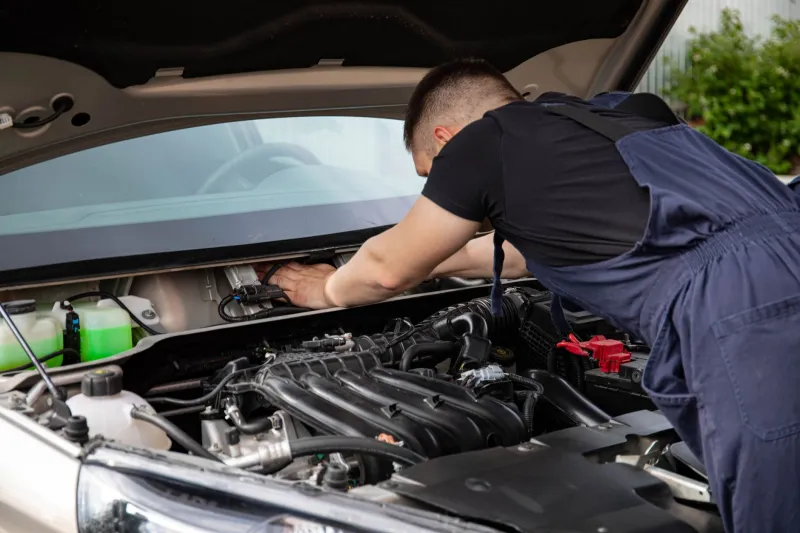
There's a moment every Tennessee driver knows well. Your check engine light flicks on, your brakes start making that grinding sound, or your car just doesn't feel right on the interstate. And suddenly you're faced with a choice: do you pull into that familiar national chain down the road, or do you call up that local shop your neighbor keeps raving about?
It seems like a simple decision, but it's one that can have a real impact on your wallet, your car's long-term health, and whether you're back on the road in a day or stuck waiting a week. Let's dig into what's actually going on behind both doors.
The Big Box Chain Experience: Convenience Comes With Caveats
National repair chains have built their business model around volume and speed. Walk in without an appointment, get a quick diagnosis, and walk out with a receipt. That sounds great on paper. The problem is that the business model driving those conveniences isn't always aligned with what's best for your specific car.
Most large chains operate on flat-rate labor pricing, which means technicians are paid by the job, not by the hour. In theory, that should keep things efficient. In practice, it can create pressure to move cars through quickly rather than thoroughly. A technician juggling four vehicles at once isn't necessarily giving yours the attention it deserves.
There's also the parts equation. Chain shops typically use their own branded or contracted parts suppliers, which keeps their costs down but doesn't always mean you're getting the best component for your vehicle. Some use perfectly serviceable parts. Others use lower-grade options that may not last as long as OEM or quality aftermarket alternatives. Unless you ask specifically — and know what to look for — you often won't know the difference until the part fails.
That said, chains do offer one genuinely valuable thing: nationwide warranty coverage. If you get work done at a chain in Nashville and something goes wrong while you're driving through Knoxville, you can walk into another location and get it sorted. For drivers who travel frequently, that's not nothing.
The Independent Shop Advantage: What You're Actually Paying For
Here's the thing about a well-run local shop in Tennessee — when it's good, it's really good. Independent mechanics typically own their reputation in a way that corporate locations simply don't. The guy whose name is on the sign out front is the same guy who's going to see you at the grocery store. That accountability matters.
Local shops also tend to have more flexibility in the parts they source. A trusted independent mechanic can shop around for the best quality part at a fair price, rather than being locked into a single supplier contract. They can also take the time to actually explain what's wrong with your car, show you the worn part, and walk you through your options — something that rarely happens when a service advisor is trying to process twelve cars before lunch.
Labor rates at independent shops are sometimes lower than chains, but not always. Experienced, well-regarded mechanics in Tennessee's larger markets — Memphis, Chattanooga, the Nashville suburbs — often charge comparable rates to the chains. What you're paying for is expertise and attention, not just the task itself.
The catch? Quality varies wildly. Not every shop with a hand-painted sign is a diamond in the rough. Some independent shops cut corners just as aggressively as any chain, and without the corporate oversight that at least creates some baseline standard of accountability. A bad independent mechanic can be harder to hold responsible than a chain with a customer service department.
How to Tell the Good Ones From the Bad Ones
Whether you're eyeing a local garage or a national brand, a few key indicators separate the trustworthy from the questionable.
Ask about certifications. ASE (Automotive Service Excellence) certification isn't everything, but it does mean the technician has passed standardized testing. Reputable shops — local or chain — will have certified techs on staff and won't hesitate to tell you.
Check how they handle estimates. A shop you can trust will give you a written estimate before any work begins and will call you before exceeding it. If a shop is vague about pricing or tries to rush you into approving work over the phone without details, that's a red flag.
Look at warranty terms carefully. Chains typically offer 12-month or 12,000-mile warranties as a baseline. Good independent shops often match or beat that. If a local shop can't tell you their warranty policy clearly, keep looking.
Read recent reviews — but read them critically. Five-star reviews that all sound like they were written by the same person aren't useful. Look for detailed, specific reviews that describe actual repair experiences. One-star reviews are worth reading too — pay attention to how the shop responded.
Notice how they treat you when nothing is wrong. A shop that takes five minutes to answer a simple question honestly, without trying to upsell you on something you don't need, is probably a shop that'll treat your car right when it matters.
The Tennessee Factor
Tennessee has a pretty solid mix of both worlds. The state's larger cities have no shortage of national chains, but there's also a strong culture of local, family-owned businesses that have been serving the same communities for decades. In smaller towns and rural counties especially, independent shops are often the only realistic option — and many of them have earned fierce loyalty from local drivers for good reason.
The key is doing a little homework before you're in a bind. Don't wait until you're stranded on I-40 to figure out who you trust with your car. Find a shop — local or otherwise — that earns your confidence when the stakes are low, so you know exactly where to go when they're high.
Bottom Line
Neither local shops nor chain repair centers are universally better. The honest answer is that both categories have standouts and duds, and the work of finding a trustworthy mechanic is worth doing before you actually need one. Focus on transparency, credentials, and how a shop communicates — those things tell you more than the sign out front ever will.
At AB Auto TN, we know Tennessee drivers have options, and we think the best ones are the ones where you feel like more than just a ticket number. Whether you're coming in for routine maintenance or something more serious, you deserve a straight answer and quality work. That's the standard we hold ourselves to — and the standard you should expect anywhere you take your car.