Engine Oil and Transmission Fluid Aren't the Same Thing — Here's Why That Mistake Is Expensive

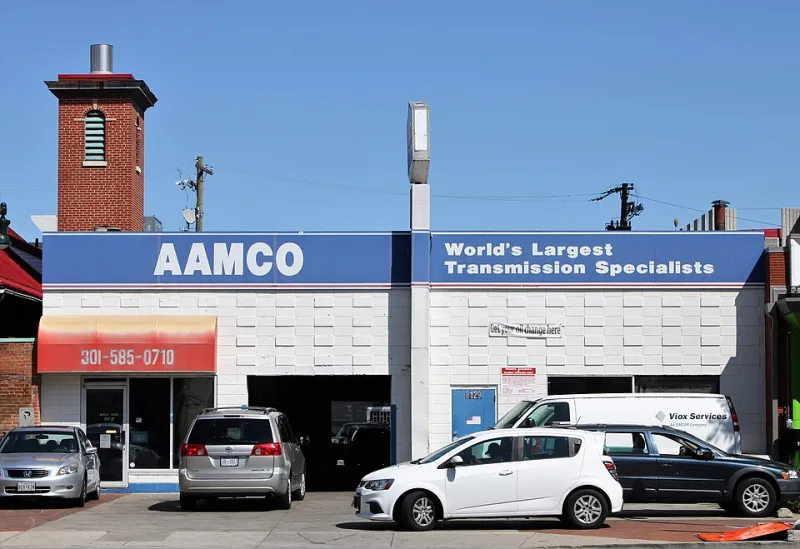
Photo: Sgt. David Hodge, Public domain, via Wikimedia Commons
Ask most drivers when they last changed their oil, and they'll probably have a rough answer. Ask them when they last serviced their transmission fluid, and you'll often get a blank stare — or worse, "isn't that the same thing?"
It's not. Not even close. And the confusion between these two fluids is quietly contributing to some of the most expensive repair bills we see at AB Auto TN. Let's clear this up once and for all.
What Engine Oil Actually Does
Engine oil is the lifeblood of your motor. Its main job is lubrication — keeping metal parts from grinding against each other at thousands of rotations per minute. But it also helps cool internal components, carries away tiny metal particles and contaminants, and helps maintain proper pressure throughout the engine.
Over time, engine oil breaks down. Heat cycles, combustion byproducts, and general wear cause it to degrade and become less effective. That's why it needs to be changed on a regular schedule — typically every 3,000 to 7,500 miles depending on whether you're using conventional or synthetic oil and what your vehicle's manufacturer recommends.
When you skip oil changes, the oil gets thick and sludgy, loses its lubricating properties, and starts causing wear instead of preventing it. Most Tennessee drivers have at least a basic understanding of this, even if they don't always follow through on schedule.
What Transmission Fluid Does (And Why It's Different)
Transmission fluid serves a completely different system with completely different demands. In an automatic transmission, the fluid isn't just a lubricant — it's also a hydraulic fluid that powers the gear-shifting process itself. Without proper fluid pressure, your transmission literally can't shift correctly.
Transmission fluid also lubricates the gears, clutch packs, and bands inside the transmission, cools the unit, and helps protect seals and gaskets from drying out. In a manual transmission, it's more purely a lubricant, but it still has its own specific requirements.
Here's the key difference: transmission fluid degrades differently than engine oil. It doesn't get consumed the same way, and many vehicles don't have a dashboard warning light that tells you when it's time to service it. That means it's easy to forget — sometimes for years.
The Maintenance Schedules Are Completely Different
This is where a lot of confusion kicks in. Because people are used to changing engine oil every few thousand miles, they sometimes assume transmission fluid follows the same rhythm. It doesn't.
Depending on your vehicle and driving habits, transmission fluid service intervals can range from 30,000 miles all the way up to 100,000 miles — or in some cases, manufacturers label it as "lifetime" fluid (which, for the record, doesn't actually mean it never needs attention).
Tennessee driving conditions are worth factoring in here, too. Stop-and-go traffic around Nashville or Memphis, towing, driving in hilly terrain, or putting a lot of miles on back roads can all add stress to your transmission. In those situations, sticking to the longer end of a service interval isn't always the smartest call.
Warning Signs: Engine Problems vs. Transmission Problems
One reason these two maintenance needs get mixed up is that when either fluid is neglected, the symptoms can feel vaguely similar — your car just doesn't run right. But the specific warning signs are actually pretty distinct.
Signs your engine oil needs attention:
- Oil pressure warning light
- Ticking or knocking sounds from the engine
- Burning oil smell
- Excessive exhaust smoke
- Oil that looks black and gritty on the dipstick
Signs your transmission fluid needs attention:
- Rough, delayed, or slipping gear shifts
- A whining or humming noise when accelerating
- Transmission fluid that looks dark brown or smells burnt (check the dipstick if your vehicle has one)
- Hesitation when shifting from park into drive
- Shuddering during acceleration
If you're noticing any of the transmission symptoms above, don't wait. Transmission repairs are significantly more expensive than fluid services — we're talking the difference between a $150 fluid change and a $2,000-plus rebuild.
The "It'll Last Forever" Myth
Some manufacturers have marketed certain transmissions as having "lifetime" fluid that never needs changing. This has led a lot of drivers to believe they can simply ignore transmission maintenance indefinitely.
Here's the reality: that "lifetime" rating is based on ideal conditions and often refers to the life of the fluid under normal circumstances — not necessarily the life of the vehicle under real-world driving. Independent mechanics and transmission specialists generally recommend inspecting and potentially changing the fluid well before the 100,000-mile mark, especially if you're buying a used vehicle and don't know its full service history.
When we see a used car come in with 80,000 miles and no record of transmission service, that's a red flag. Old, degraded fluid can cause shifting issues that get blamed on the transmission itself — when the real problem was just neglected maintenance.
What You Should Actually Do
The simplest thing you can do is pull out your owner's manual and find the manufacturer's recommended interval for transmission fluid service. Then talk to a technician who can factor in your specific driving habits and local conditions.
At AB Auto TN, we check fluid condition as part of our routine service process — not just oil, but transmission fluid, coolant, brake fluid, and more. It takes a few extra minutes and can save you from a very unpleasant surprise down the road.
Engine oil and transmission fluid are both essential. They just aren't the same job, the same fluid, or the same schedule. Treating them like they are is one of the more common — and costly — maintenance mistakes we see Tennessee drivers make. Now you know better.