Your Transmission Is Trying to Tell You Something — Are You Listening?
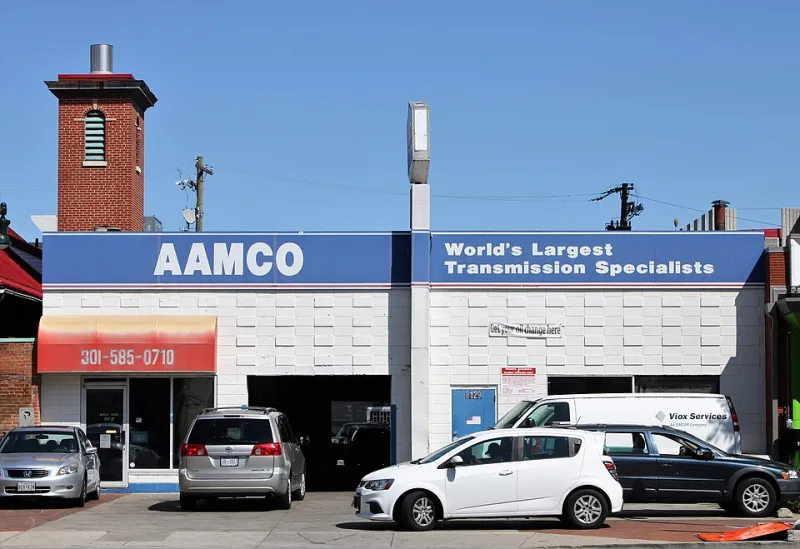
Photo: Farragutful, CC BY-SA 4.0, via Wikimedia Commons
Let's be honest — the transmission is one of those things most drivers don't think about until something goes seriously wrong. It doesn't get the same attention as an oil change or a tire rotation. It just quietly does its job, shifting gears, transferring power, keeping everything moving. Until it doesn't.
For Tennessee drivers, that silence can be expensive. A transmission replacement on a typical sedan can run between $3,500 and $8,000 depending on the vehicle. On trucks and SUVs — which are incredibly popular in this part of the country — that number can climb even higher. Compare that to a routine fluid flush that might cost $150 to $250, and the math gets pretty uncomfortable pretty fast.
At AB Auto TN, we see this play out all the time. A driver comes in thinking they've got a minor issue, and what we find is a transmission that's been running on degraded fluid for years. The damage is done. What could've been a simple service call turns into a conversation nobody wants to have.
Why Tennessee's Roads Are Harder on Transmissions Than You Might Think
Tennessee isn't exactly flat. From the mountain roads around Gatlinburg and the Smokies to the stop-and-go traffic crawling through Nashville and Memphis, your transmission is working overtime in ways that drivers in flatter, less congested states simply don't deal with.
Hilly terrain forces your transmission to shift more frequently and work harder to maintain speed going both uphill and downhill. Towing a boat to one of the state's many lakes? That puts serious strain on the system too. And summer heat — which Tennessee delivers in abundance — accelerates the breakdown of transmission fluid, reducing its ability to lubricate and cool the internal components.
Winter's no walk in the park either. Cold temperatures thicken transmission fluid, which means it doesn't circulate as efficiently during those first few minutes after a cold start. If your fluid is already old and degraded, a cold Tennessee morning can push it right over the edge.
Warning Signs That Are Easy to Dismiss (But Shouldn't Be)
The tricky thing about transmission problems is that they often start subtle. Drivers write off the early symptoms as quirks or minor annoyances — until those quirks become a breakdown on the side of I-40.
Here are the signs you should never ignore:
Delayed or rough shifting — If your car hesitates before engaging a gear, or if shifts feel like a jolt rather than a smooth transition, that's your transmission telling you something isn't right.
Slipping gears — This is when the engine revs up but the car doesn't accelerate the way it should. It feels like the transmission is losing its grip, because it is.
A burning smell — Overheated transmission fluid has a distinct burnt odor. If you're catching a whiff of something hot and acrid after a drive, get it checked immediately.
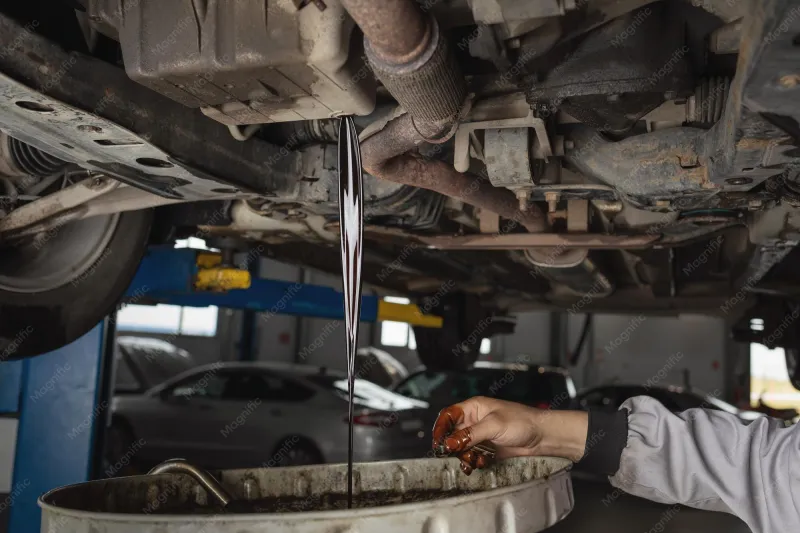
Fluid leaks under the car — Transmission fluid is typically reddish in color. If you're seeing puddles under your vehicle, don't wait.
The check engine light — Yes, it can mean a hundred different things. But transmission issues frequently trigger this light, and ignoring it is never the right call.
Unusual noises in neutral — Clunking, buzzing, or whining sounds when the car is just sitting in neutral are classic early warning signs of internal wear.
What a Realistic Transmission Maintenance Schedule Looks Like
Most manufacturers recommend a transmission fluid change somewhere between 30,000 and 60,000 miles, though that range varies depending on the vehicle and how hard it's been driven. If you're doing a lot of towing, driving in hilly terrain, or dealing with heavy stop-and-go traffic — all things that describe a lot of Tennessee driving — you'll want to lean toward the more frequent end of that range.
Here's a simple framework to follow:
- Every 30,000 miles: Inspect transmission fluid condition and level. If it's dark, burnt-smelling, or gritty, change it regardless of mileage.
- Every 30,000–60,000 miles: Full fluid flush and filter replacement for most vehicles.
- Annually: Visual inspection for leaks and a quick check of transmission mounts and linkage, especially if you've noticed any shifting roughness.
If you've bought a used vehicle and don't have a clear service history, it's worth getting the transmission inspected before you hit a milestone number. You don't know what the previous owner did — or didn't do.
The Real Cost Breakdown: Maintenance vs. Repair vs. Replacement
Let's put some real numbers on the table so this isn't just abstract advice.
| Service | Estimated Cost |
|---|---|
| Transmission fluid flush | $150 – $250 |
| Filter replacement (if applicable) | $75 – $150 |
| Transmission seal repair (minor leak) | $200 – $500 |
| Solenoid replacement | $300 – $900 |
| Rebuild (remanufactured) | $1,500 – $3,500 |
| Full replacement | $3,500 – $8,000+ |
That's a stark range. And the jump from a fluid flush to a full replacement isn't some random act of bad luck — it's usually the result of years of deferred maintenance. Degraded fluid loses its ability to protect the hundreds of moving parts inside a transmission. Metal grinds against metal. Tolerances wear out. By the time a driver notices something is really wrong, the internal damage has already compounded.
Don't Wait Until It's an Emergency
One of the most common things we hear at AB Auto TN is, "I knew something felt off, but I figured it could wait." We get it — life is busy, and car maintenance is easy to push down the priority list when nothing seems critically wrong.
But transmissions are one of those systems where waiting costs you. The window between "minor issue" and "major repair" closes faster than most people expect. A solenoid that costs a few hundred dollars to replace today can, if ignored, cause fluid pressure problems that damage your valve body, your torque converter, and ultimately your entire transmission.
If your car has been shifting a little rough lately, if you can't remember the last time your transmission fluid was checked, or if you've got a used vehicle with a murky service history — bring it in. A quick inspection is always cheaper than a surprise repair bill, and we'd rather have that honest conversation with you early than a much harder one later.
Your transmission has been quietly working for you this whole time. Give it a little attention before it asks for a lot.