Bought a Car Out of State? Here's How to Get It Street-Legal in Tennessee Without the Headaches
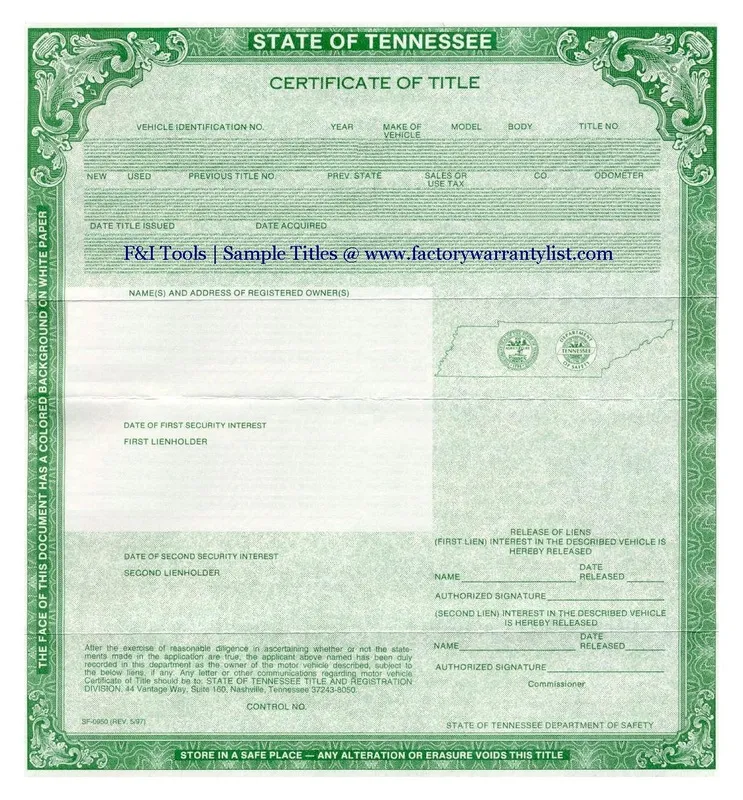
Photo: Tennessee DMV title registration paperwork used car purchase, via www.factorywarrantylist.com
The internet has made car shopping a whole lot bigger. You're no longer limited to whatever's on the lot down the street — you can browse inventory from dealers in Georgia, Texas, Ohio, or anywhere else in the country. Private sellers list on Facebook Marketplace and Craigslist nationwide. And sometimes, the exact vehicle you want is sitting in another state at a price that makes the trip worth it.
But here's the thing nobody mentions in the listing: buying a car across state lines comes with a whole separate layer of logistics. Tennessee has its own requirements for title transfers, registration fees, and vehicle inspections, and if you don't know what you're walking into, it's easy to get hit with unexpected costs and delays after you've already handed over your money.
At AB Auto TN, we work with plenty of Tennessee buyers who've gone the out-of-state route. Some come in having done their homework. Others come in a little stressed after running into problems they didn't anticipate. This guide is for both groups.
First Things First: Understand What You're Actually Buying
Before you even think about Tennessee's registration process, you need to make sure the vehicle itself is clean. Out-of-state purchases — especially from private sellers — carry a few risks that local transactions don't.
Run a VIN check before you buy. Services like Carfax or AutoCheck will pull up the vehicle's history, including accident reports, title brands (like salvage or flood), odometer rollbacks, and previous state registrations. A car with a salvage title from another state is still a salvage title in Tennessee. Don't assume that crossing a state line clears a vehicle's history.
Watch out for title-branded vehicles. Flood-damaged cars, in particular, are worth a conversation. After major weather events in other parts of the country, flood-damaged vehicles sometimes get sold into other states. Tennessee's humid climate doesn't do any favors to a car that's already had water intrusion — electrical issues and rust tend to get worse over time, not better.
Ask for the physical title upfront. If a private seller tells you the title is "in the mail" or they need to pay off a lien before transferring it, that's a red flag. You want to see the title in hand before money changes hands. If you're buying from a dealer, they should be able to provide a clean title or handle the payoff directly.
Tennessee's Title Transfer Process for Out-of-State Vehicles
Once you've got the vehicle and you're back in Tennessee, here's what the title transfer process looks like.
What you'll need to bring to your county clerk's office:
- The original out-of-state title, signed over to you by the seller
- A completed Application for Tennessee Certificate of Title (Form RV-F1301201)
- Proof of Tennessee insurance
- A valid Tennessee driver's license or ID
- Payment for title fees and sales tax
On the sales tax front, Tennessee charges sales tax based on the purchase price of the vehicle. As of current rates, that's 7% state sales tax plus applicable local county rates — which can push the total to around 9-10% depending on where you live. If you paid sales tax in the state where you bought the vehicle, you may get credit for that, but it's worth confirming with your county clerk's office since the rules can vary.
Title transfer fees are relatively modest — typically around $11 for the title itself plus registration fees — but the sales tax is where buyers sometimes get surprised, especially on higher-priced vehicles.
You generally have 30 days from the purchase date to complete the title transfer and registration in Tennessee. Don't let that deadline sneak up on you.
Does Tennessee Require a Vehicle Inspection for Out-of-State Purchases?
This is one of the most common questions we get, and the answer requires a little nuance.
Tennessee does not have a statewide emissions or safety inspection program the way some other states do. However, certain counties — primarily in Middle and East Tennessee — do require emissions testing for vehicles registered within their boundaries. Davidson County (Nashville), Hamilton County (Chattanooga), and several surrounding counties fall into this category.
If you're registering a vehicle in one of these counties, you'll need to pass an emissions test before you can complete registration. Vehicles that have been in states with different emissions standards — or that haven't had proper maintenance — sometimes fail that test, which can mean additional repairs before you're street-legal.
Beyond the official inspection requirements, we strongly recommend getting an independent pre-purchase inspection before you finalize any out-of-state deal. If the car is being shipped or you're flying out to pick it up, arrange for a local mechanic near the seller to inspect it first. If you've already bought it and it's sitting in your driveway, bring it in before you finalize the registration. Catching a major issue before you're fully committed — or before you've put more money into registration and taxes — can save you significantly.
Buying from an Out-of-State Dealer vs. a Private Seller
The experience is pretty different depending on who you're buying from, and it's worth knowing the key distinctions.
Out-of-state dealers are generally more straightforward. Licensed dealerships are required to handle title paperwork properly, and many will facilitate the transfer process and even collect Tennessee taxes on your behalf if they're set up to do so. You'll still want to confirm all of this upfront — not every out-of-state dealer is familiar with Tennessee's specific requirements.
Private sellers are where things get more complicated. There's no dealership infrastructure to help with paperwork, and the responsibility for verifying the title, confirming the vehicle's history, and completing the transfer falls entirely on you. Some private sellers are completely above board and easy to work with. Others — intentionally or not — create complications that can take weeks or months to untangle.
A few specific things to verify with private sellers:
- Make sure the name on the title matches the seller's ID
- Confirm there are no liens on the vehicle (a lien release letter is required if there was a previous loan)
- Get a bill of sale with the purchase price, date, and both parties' information
- If the title is from a state that uses electronic titles, ask the seller to get a paper title issued before the sale
How a Local Pre-Purchase Inspection Protects You
Here's the honest truth: photos, listings, and even a phone call with the seller only tell you so much. A qualified mechanic can spot things that don't show up in pictures — rust hidden under undercoating, frame damage that's been filled and painted over, oil leaks that haven't made it to the ground yet, worn suspension components that feel fine at low speeds but are actually dangerous.
If you're spending $10,000, $20,000, or more on a vehicle, a $100–$150 inspection is genuinely one of the best investments you can make. It either confirms you're making a solid purchase, or it gives you leverage to negotiate — or walk away entirely.
When you bring your out-of-state purchase to AB Auto TN, we'll go through the vehicle thoroughly and give you a straight answer about what we find. No upselling, no scare tactics — just an honest assessment so you know exactly what you've got before you commit to Tennessee registration and taxes.
The Bottom Line
Buying out of state can absolutely be worth it. You might find a better selection, a better price, or a specific vehicle that just isn't available locally. But going in prepared makes all the difference between a smooth transaction and a frustrating mess.
Know what Tennessee requires. Check the title carefully. Get an inspection. And if you've got questions about what to look for or what the registration process looks like for your specific situation, we're always happy to help you think it through.