What to Check Before You Buy: A No-Fluff Used Car Inspection Guide for Tennessee Shoppers

Photo: Unknown US Army photographer, Public domain, via Wikimedia Commons
Buying a used car is exciting right up until it isn't. You find something in your budget, it looks great in the photos, the seller seems friendly, and then two months later you're staring at a repair bill you absolutely did not budget for.
It happens all the time — and most of it is preventable.
Whether you're shopping at a dealership, browsing Facebook Marketplace, or checking out a local lot, knowing what to look for before you hand over any money can save you thousands of dollars and a whole lot of headaches. This guide is built around what we see at AB Auto TN — the kinds of problems that show up in used vehicles and the warning signs that tip you off before it's too late.
Start Before You Even See the Car: Pull the History
Before you schedule a showing, get the VIN and run it through Carfax or AutoCheck. You're looking for:
- Accident history — especially anything involving structural or airbag damage
- Odometer discrepancies — if the mileage doesn't line up across report entries, that's a serious red flag
- Title issues — salvage titles, rebuilt titles, or lemon law buybacks should give you serious pause
- Service records — consistent maintenance history is a green light; total absence of records is a yellow one
A clean history report doesn't guarantee a clean car, but a messy one tells you a lot. Don't skip this step.
The Walkaround: What Your Eyes Can Tell You
When you arrive to look at the vehicle, resist the urge to jump straight in and start the engine. Take five minutes to walk around it slowly and look at the body.
Panel gaps and alignment. Open and close every door, the hood, and the trunk. Gaps between body panels should be even and consistent. Uneven gaps — especially on one side but not the other — often indicate prior collision repair.
Paint matching. Stand at the rear corner of the car and look down the length of it in natural light. Mismatched paint, slightly different textures, or overspray on rubber trim pieces suggest bodywork. That's not always a dealbreaker, but you want to know about it.
Rust. Tennessee's humidity can be rough on older vehicles. Check the wheel wells, the underside of the doors, the rocker panels (the metal strips running under the doors), and the frame if you can see it. Surface rust on brake rotors is normal and harmless. Rust on structural components is not.
Glass and seals. Look for chips, cracks, or cloudiness in the windshield. Check the rubber seals around windows and doors — cracked or compressed seals can lead to leaks and wind noise.
Under the Hood: What to Look for When You Pop It Open
You don't have to be a mechanic to get useful information from the engine bay. Here's what to focus on:
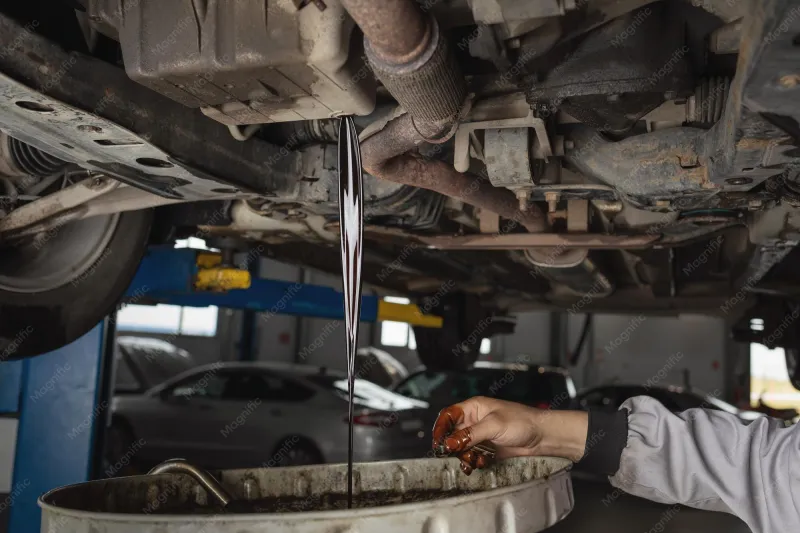
Oil condition. Pull the dipstick, wipe it off, reinsert it, and pull it again. The oil should be amber to light brown. If it's pitch black and gritty, the car hasn't been maintained well. If it looks milky or has a frothy texture, that can indicate coolant mixing with oil — a symptom of a head gasket issue, which is a very expensive fix.
Coolant reservoir. The coolant should be a bright color (green, orange, or pink depending on the type) and be at the proper fill line. Brown or rusty-looking coolant suggests the cooling system hasn't been flushed in a long time.
Belts and hoses. Look for cracking, fraying, or glazing on belts. Squeeze the radiator hoses — they should feel firm but pliable, not rock-hard or mushy.
Battery terminals. White or blue-green corrosion buildup around the terminals isn't unusual, but heavy corrosion can indicate an older battery or charging system issues.
Signs of leaks. Look at the ground under the engine bay before and after the test drive. A few drips of water from the AC drain is normal. Oil, coolant, or transmission fluid on the pavement is not.
The Test Drive: Use All Your Senses
This is where a lot of hidden issues announce themselves — if you're paying attention.
Cold start. Ask to be there when the car starts cold for the first time that day. A healthy engine starts cleanly. Excessive smoke from the exhaust (especially blue or white smoke), rough idle, or clattering on startup are all worth noting.
Steering and handling. The car should track straight without you fighting the wheel. Pull to one side can mean alignment or brake issues. Vibration in the steering wheel at highway speeds often points to tire or wheel balance problems.
Brakes. Find a safe spot to do a few firm stops. Listen for squealing or grinding. Feel for pulsing or vibration through the pedal. The car should stop in a straight line.
Transmission. Automatic transmissions should shift smoothly and without hesitation. Clunking between gears, slipping (where the engine revs but the car doesn't accelerate), or shuddering are all warning signs. Manual transmissions should engage cleanly without grinding.
Unusual smells. Burning oil, a sweet antifreeze smell, or a sulfur odor can all point to specific mechanical issues. Don't dismiss weird smells.
The Maintenance History: Reading Between the Lines
A seller who can hand you a folder of oil change receipts and service records is telling you something important about how they treated the car. No records at all doesn't automatically mean the car wasn't maintained — some people just don't keep paperwork — but it does mean you're going in with less information.
For higher-mileage vehicles, ask specifically about:
- Timing belt or chain service (if applicable to the engine)
- Transmission fluid changes
- Coolant flushes
- Brake fluid service
These are commonly deferred items that can become expensive if they've been neglected.
When to Call in a Professional
Here's the honest truth: a thorough visual inspection and test drive will catch a lot of problems, but not all of them. A pre-purchase inspection (PPI) from a trusted mechanic is one of the best $100–$150 you can spend when buying a used vehicle.
At AB Auto TN, we perform pre-purchase inspections for buyers regardless of where they found the vehicle. We put it on a lift, check the suspension and undercarriage, run a diagnostic scan for stored trouble codes, and give you a straightforward written assessment. No judgment, no sales pitch — just information so you can make a smart decision.
If a seller refuses to let you have the car independently inspected before purchase, that tells you everything you need to know. Walk away.
Shopping AB Auto TN's Used Inventory
Every used vehicle on our lot goes through a multi-point inspection before it's offered for sale. We're not in the business of moving problem cars — our reputation in Tennessee depends on customers who come back, refer their friends, and trust us with their vehicles for years.
If you're shopping for a used car and want a second set of eyes — whether it's something we have on the lot or something you found elsewhere — give us a call. We're here to help you buy smart, not just buy fast.
The right used car, bought the right way, is a genuinely great deal. This checklist is your starting point.