Out-of-State Car Deals Sound Great Until the Bills Start Rolling In
Photo: Lav Ulv from Viby J, Denmark, CC BY 2.0, via Wikimedia Commons
Let's be real — scrolling through car listings from dealers in Georgia, Ohio, or Texas at midnight feels like treasure hunting. You spot a price that's a few grand below what you've seen locally, and suddenly you're mentally planning a road trip. It's tempting. We get it.
But here at AB Auto TN, we've seen a steady stream of Tennessee drivers walk through our doors after that out-of-state dream deal turned into a very expensive lesson. So before you hit "contact dealer" on that listing from a lot in Phoenix, let's talk about what those deals actually cost you once all the fine print catches up.
The Sticker Price Is Just the Beginning
That lower price you're seeing out of state? It rarely accounts for the full picture. Start stacking up the real numbers:
- Transportation costs. Flying out to drive it back, or paying a transport company, can run anywhere from $300 to over $1,000 depending on distance.
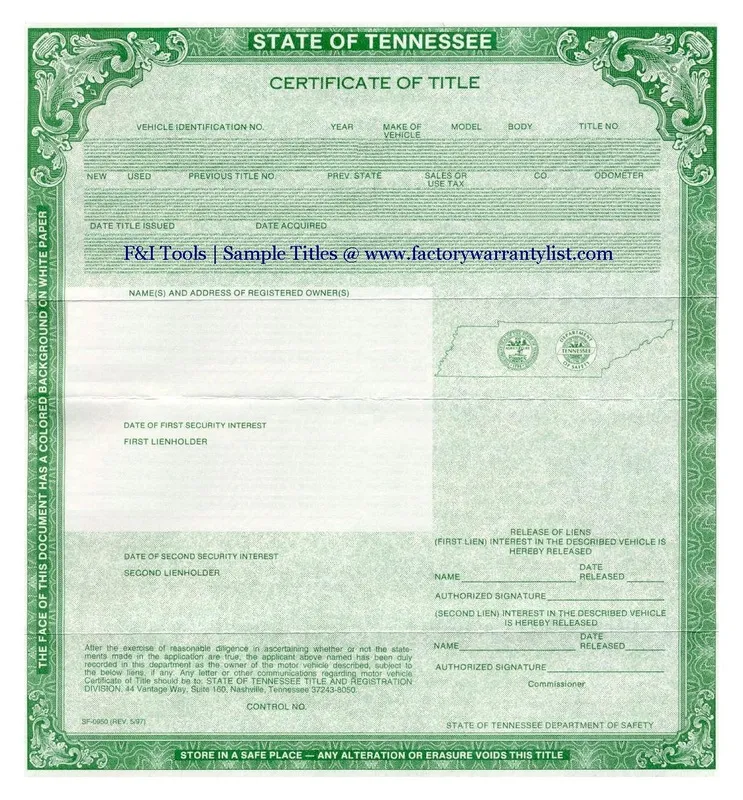
- Tennessee registration and title fees. You'll still owe these no matter where you bought the car. Tennessee's titling process for out-of-state vehicles adds extra steps and sometimes extra fees.
- Sales tax differences. Tennessee collects sales tax based on your county of residence, not where the car was purchased. Some buyers assume they'll save on taxes by buying in a lower-tax state — that's usually not how it works.
- Inspection requirements. Tennessee requires certain emissions and safety inspections. A car that passed muster in California or Florida may not meet Tennessee's standards without additional repairs.
By the time you add it all up, that "deal" often lands right back at — or above — what a local dealer would have charged.
Warranty Complications Nobody Warns You About
This is where things get really frustrating. Many dealerships sell vehicles with limited warranties that are geographically restricted or tied to their own service department. Buy from a lot in Nashville? Warranty work is a quick drive away. Buy from a dealer in Denver?
Good luck.
Some manufacturer warranties transfer fine, but dealer-added warranties — the kind that cover things like used car drivetrain issues — often require you to return to the selling dealer for covered repairs. That's not exactly practical when you're in Knoxville and the dealer is in Nevada. You may end up paying out of pocket for repairs that should have been covered, or fighting a claims process that drags on for weeks.
Even with a solid manufacturer warranty, getting warranty work authorized through an unfamiliar dealership network can be a headache. Local dealers sometimes push back on warranty work for vehicles they didn't sell, though legally they're required to honor it. It's a fight nobody wants to have.
The Pre-Purchase Inspection Problem
A smart buyer always gets a pre-purchase inspection before committing to a used vehicle. That's just common sense. But when the car is sitting at a lot 800 miles away, how do you pull that off?
You're largely dependent on the dealer's honesty, photos, and maybe a third-party inspection service that does a quick walkaround for a fee. These remote inspections vary wildly in quality. Some are thorough. Some are basically a guy taking cell phone photos and calling it done.
What you won't get is a trusted local mechanic putting the car on a lift, checking the frame, testing the electronics, and giving you a straight answer. That kind of inspection — the kind that actually protects you — only happens when the car is in front of someone you can hold accountable.
We've seen buyers receive cars with undisclosed rust damage, salvage-title history that slipped through, and mechanical issues that a 20-minute local inspection would have caught immediately.
Finding a Mechanic Who Knows Your Car
Here's something that doesn't get talked about enough: when you buy locally, you build a relationship with a service team that knows your vehicle's history. They know what was fixed, what was inspected, and what to watch for down the road.
Buy from out of state and you're starting from scratch. Your local shop in Tennessee has zero history on that car. They're working blind, which can mean longer diagnostic times, more cautious (and sometimes more expensive) repair estimates, and a longer path to trust.
At AB Auto TN, when we sell a vehicle, we know it. We've inspected it, serviced it, and we stand behind it. When you come back six months later with a question or a concern, we've got the records and the context to help you fast.
The Lemon Law Factor
Tennessee has consumer protection laws — including lemon law provisions — that apply to vehicles purchased in-state from licensed dealers. When you buy across state lines, the legal landscape gets murky fast. Which state's laws apply? How do you pursue a claim against a dealer in another jurisdiction?
Most buyers never think about this until they need it. And by then, the options are limited and the legal bills start adding up.
So When Does an Out-of-State Purchase Actually Make Sense?
Fair question. There are legitimate scenarios — rare vehicles, specific trim levels, or genuinely unusual deals — where going out of state makes sense. If that's your situation, at least do this:
- Factor in every cost, not just the sticker price.
- Hire a reputable third-party inspection service in that city.
- Research the warranty terms in detail before signing.
- Understand Tennessee's titling and registration process for out-of-state vehicles.
- Have a local mechanic lined up who's willing to take on the car's service history from scratch.
Or, save yourself the stress and swing by AB Auto TN first. You might be surprised what's sitting on our lot — and what you save when you factor in everything a local purchase actually includes.