Tennessee Summers Don't Just Drain You — They're Quietly Destroying Your Car's AC
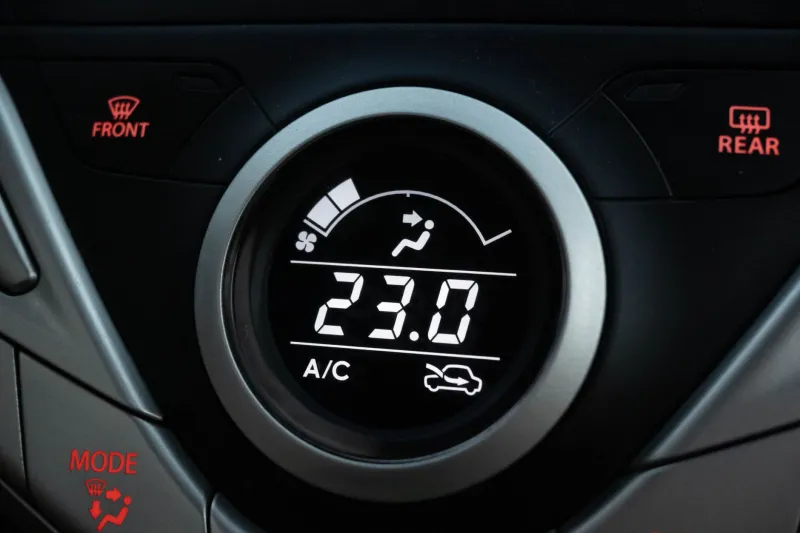
Anyone who's spent a July afternoon in Memphis or Nashville knows what Tennessee heat feels like. We're talking 95-degree days with humidity that makes it feel like you're breathing through a wet towel. You hop in your car, crank the AC, and expect cold air. Most of the time, you get it. But every summer that goes by without proper attention to your AC system is another year of wear stacking up — and eventually, that stack topples.
The frustrating part? The damage rarely announces itself all at once. It creeps in quietly, a little less cold air here, a slightly strange smell there, until one August afternoon your AC just... gives up. And that's when the repair bills get painful.
Let's break down what Tennessee's summer climate is actually doing to your AC system, the warning signs most drivers miss, and what you're realistically looking at when it's time to fix things.
Why Tennessee's Climate Is Especially Hard on AC Systems
Car AC systems are engineered to handle heat — that's the whole point. But there's a difference between handling heat and being hammered by it day after day for four or five months straight.
When temperatures consistently push into the upper 90s, your AC compressor runs almost continuously whenever the car is on. That's a lot of mechanical stress. The compressor is essentially the heart of the system — it pressurizes the refrigerant and keeps the whole cycle moving. Running it hard through a long Tennessee summer is like asking someone to sprint for hours without a break. Eventually, something gives.
On top of that, the rubber hoses and seals inside the AC system expand and contract with temperature swings. Tennessee doesn't just get hot — it swings from cool spring mornings to sweltering afternoons and back again. That constant expansion and contraction accelerates wear on seals, which leads to one of the most common AC problems we see: refrigerant leaks.
The Refrigerant Leak Problem
Refrigerant is the substance that actually makes your air cold. It cycles through the system, absorbing heat from the cabin air and releasing it outside. If the refrigerant level drops — even slightly — the whole system becomes less efficient. Drop it far enough and you're blowing warm air.
Here's what makes refrigerant leaks sneaky: they often happen slowly. A tiny leak in a seal or hose might take a full season to noticeably affect your AC performance. By the time you notice the air isn't as cold as it used to be, you might have been losing refrigerant for months.
A simple refrigerant recharge at a shop typically runs somewhere between $150 and $300, depending on the refrigerant type your vehicle uses (older R-134a systems are cheaper to service than newer R-1234yf vehicles). But here's the thing — if there's an active leak and you just recharge without fixing it, you're throwing money at a temporary fix. The refrigerant will leak out again.
Tracking down and repairing the actual leak adds to the cost. A minor seal or O-ring replacement might only run you another $100–$200 in labor. A leaking evaporator — which sits inside your dashboard — can push total repair costs to $800–$1,500 because of the labor involved in accessing it.
Compressor Failures: The Big-Ticket Item
If refrigerant leaks are the slow burn, compressor failure is the explosion. The AC compressor is the most expensive component in the system, and Tennessee summers put it through the wringer.
Compressors can fail for several reasons: low refrigerant (which causes the compressor to run without adequate lubrication), electrical issues, or just plain age and wear. When a compressor fails, it often sends metal shavings through the entire AC system, contaminating the condenser, expansion valve, and lines. That means replacing just the compressor isn't always enough — the whole system may need to be flushed and multiple parts replaced.
A compressor replacement alone typically runs $500–$1,000 in parts, plus labor. If the contamination has spread, you could be looking at a total repair bill between $1,200 and $2,500 or more, depending on your vehicle make and model. Luxury vehicles and newer trucks tend to sit at the higher end of that range.
This is exactly why catching problems early matters so much. A refrigerant leak caught in spring is a few hundred dollars. That same leak ignored all summer, causing the compressor to run dry and fail, turns into a four-figure repair.
Warning Signs Most Tennessee Drivers Ignore
Your AC system usually gives you signals before it completely quits. The problem is, a lot of drivers chalk these up to "just how it is" or put off dealing with them until things get worse. Here's what to actually pay attention to:
Warm or inconsistent air — If your AC blows cold at first but gradually gets warmer, or fluctuates between cool and lukewarm, that's a classic sign of a refrigerant issue or a failing compressor clutch.
Unusual noises when the AC kicks on — A rattling, grinding, or squealing sound when you turn on the AC points to compressor problems. Don't ignore this one.
Musty or foul smells — A mildew-like odor usually means bacteria or mold has built up in the evaporator or cabin air filter. It's not just unpleasant — it's circulating through your vents. A cabin air filter replacement is cheap (often under $50 with labor). Evaporator cleaning is more involved.
Weak airflow — If the air is cold but barely coming out, you might have a blower motor issue or a clogged cabin filter. Blower motor replacements typically run $200–$400.
Visible moisture or pooling water inside the car — A small amount of condensation dripping under the car is normal. Water pooling inside the cabin is not. That usually means a clogged AC drain line.
What Happens When You Wait
This is the part worth really sitting with. AC repairs that get delayed in Tennessee don't just stay the same — they compound. A slow refrigerant leak becomes a failed compressor. A failing compressor becomes a contaminated system. A contaminated system becomes a complete AC overhaul.
We see this every summer at shops across Tennessee. Someone comes in at the end of August after driving all summer with "okay" AC, and what could have been a $250 fix back in May has turned into a $1,800 job. The heat accelerates everything.
Getting Ahead of It
The smartest move is having your AC system inspected before summer really kicks in — late March or April is ideal. A basic AC performance check shouldn't cost you anything at a reputable shop, and it can catch low refrigerant levels or early-stage leaks before they spiral.
If your car is more than five or six years old and has never had AC service, it's worth being proactive. Seals age, refrigerant slowly migrates out of even healthy systems over time, and a little preventive attention goes a long way.
Tennessee summers aren't getting cooler, and your AC system isn't getting younger. A little attention now beats a sweaty, expensive breakdown later.