Your Cooling System Is One Hot Tennessee Summer Away From Leaving You Stranded
There's a particular kind of panic that sets in when your temperature gauge creeps toward the red while you're crawling through Nashville traffic in July. Windows fogging, AC blasting, and then — that unmistakable smell. Something hot. Something wrong.
Most drivers immediately blame the air conditioning. But here's the thing: your AC is just one piece of a much bigger system that's fighting Tennessee's climate every single day. The real story is happening in your cooling system — and if you're not paying attention to it, the repair bill (or the tow truck bill) is going to get your attention eventually.
Why Tennessee Is Especially Rough on Cooling Systems
It's not just the heat. Plenty of states get hot. What makes Tennessee uniquely punishing is the combination of high temperatures and relentless humidity.
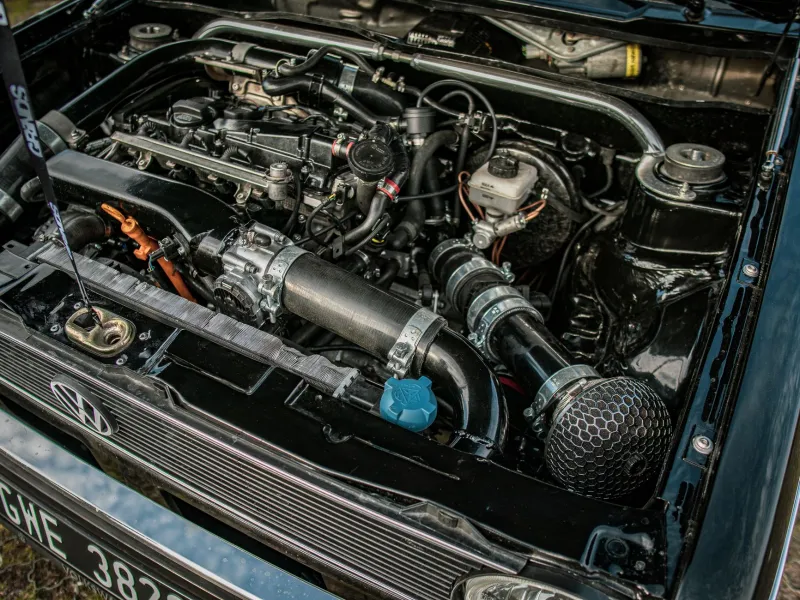
When ambient temperatures sit in the 90s for weeks at a time and the air feels like a wet towel, your engine has to work significantly harder to shed heat. The cooling system — your radiator, water pump, coolant, hoses, thermostat, and overflow reservoir — is essentially your engine's life support. When that system is even slightly compromised, Tennessee summers will find the weakness fast.
Add in the stop-and-go traffic common in Memphis, Knoxville, and Nashville, and you've got a recipe for thermal stress that builds up over time. Highway driving at least keeps airflow moving through the radiator. Sitting still in traffic? Your cooling system is doing all the heavy lifting with no help from the road.
The Radiator: More Fragile Than You Think
Your radiator's job sounds simple enough — take hot coolant from the engine, cool it down, send it back. But modern radiators are thinner and lighter than older designs, which means they're more efficient but also more vulnerable.
Over time, the fins that dissipate heat get clogged with road debris, bugs, and grime. In Tennessee, where spring and summer bring heavy insect activity and dusty back roads, this buildup happens faster than most drivers realize. A partially clogged radiator might handle mild temperatures just fine, but throw a 95-degree August day at it and the system can't keep up.
Corrosion is the other big enemy. If your coolant hasn't been flushed on schedule, it loses its anti-corrosion properties. That acidic old coolant starts eating away at the radiator from the inside. By the time you see a leak, significant internal damage has already been done.
Warning signs to watch for:
- Coolant puddles under your parked car (bright green, orange, or pink fluid)
- A sweet, slightly syrupy smell coming from the engine bay
- Your temperature gauge running higher than usual, even in normal driving conditions
Water Pump Failures: The Silent Culprit
If the radiator is your cooling system's heat exchanger, the water pump is its heart. It keeps coolant circulating through the engine and back to the radiator. When it fails, circulation stops — and your engine temperature spikes fast.
Water pumps typically fail in one of two ways: a bearing wears out (you'll often hear a grinding or whining noise from the front of the engine), or the impeller — the internal fan that moves coolant — corrodes or breaks apart. That second failure mode is sneaky because it can happen with no obvious external symptoms until your engine is already overheating.
Tennessee's heat accelerates wear on the water pump seal, too. A small weep from the seal can go unnoticed for months, slowly losing coolant until one hot afternoon the system runs low at exactly the wrong moment.
Warning signs to watch for:
- Whining or grinding noise near the front of the engine
- Coolant loss without any visible external leak
- Overheating that seems to happen only when idling or in slow traffic
Coolant Doesn't Last Forever — And Old Coolant Is Dangerous
This is the one most Tennessee drivers overlook. Coolant — also called antifreeze — isn't just about keeping your engine from freezing in winter. It raises the boiling point of the water in your system, which is critically important when outside temps are pushing triple digits.
Fresh coolant has a boiling point well above what your engine produces under normal conditions. But as coolant ages, it degrades. The additives break down, the pH shifts, and its ability to resist boiling drops. Old coolant in a Tennessee summer is a liability.
Most manufacturers recommend a coolant flush every 30,000 to 50,000 miles, though this varies by vehicle. If you bought a used car and you're not sure when it was last done, that's a service worth scheduling before summer hits hard.
At AB Auto TN, we see a noticeable uptick in cooling system-related breakdowns every June and July — and a significant portion of those could have been prevented with a simple fluid check and flush earlier in the year.
Hoses and Thermostats: The Parts Nobody Thinks About
Radiator hoses are made of rubber, and rubber doesn't love heat cycles. Every time your engine warms up and cools down, those hoses expand and contract. Over years of Tennessee summers, they get brittle, develop cracks, or start to feel soft and spongy when you squeeze them. A blown hose dumps your coolant in seconds and can cause serious engine damage if you keep driving.
The thermostat is equally overlooked. It regulates when coolant flows from the engine to the radiator. A thermostat stuck in the closed position means coolant never gets to cool down — a fast track to overheating. Thermostats are inexpensive parts, but when they fail at the wrong moment, the downstream damage is anything but cheap.
What You Can Do Right Now
You don't need to be a mechanic to stay ahead of cooling system problems. Here's a practical starting point:
- Check your coolant level when the engine is cold. The reservoir has min/max markings — if it's low, that's a problem worth investigating, not just topping off.
- Look at the coolant color. Bright and clear is good. Brown, rusty, or murky means it's overdue for a flush.
- Squeeze the radiator hoses (again, cold engine only). They should feel firm but not rock-hard or soft and mushy.
- Listen for unusual noises from the engine bay, especially when first starting up or at idle.
- Don't ignore the temperature gauge. It's there for a reason. If it's running warmer than usual, get it checked before it becomes an emergency.
Don't Wait Until You're Pulled Over on the Shoulder
Cooling system repairs range from straightforward to expensive depending on how long a problem goes unaddressed. A thermostat replacement is a minor job. A warped cylinder head from repeated overheating is not.
Tennessee's climate isn't getting more forgiving, and your engine doesn't get tougher with age. The good news is that most cooling system failures give you warning signs before they become full breakdowns — if you know what to look for.
If it's been a while since your cooling system was inspected, or if any of those warning signs sound familiar, swing by AB Auto TN and let us take a look. A quick inspection now beats an expensive tow and a week without your car later.