You Just Bought a Used Car in Tennessee — Here's Your First-Month Game Plan
The drive home from the dealership or the seller's driveway is the fun part. What happens in the next thirty days is what separates a used car that runs strong for years from one that nickel-and-dimes you into regret. Here's the checklist we'd hand any Tennessee buyer, in the order it matters.
Week One: Handle the Paperwork Before the Clock Runs Out
Tennessee gives you 30 days from the purchase date to title and register a vehicle before late fees kick in. If you bought from a licensed dealer, they typically handle the title work — but confirm it. If you bought privately, you and the seller complete the assignment on the title, you'll need a bill of sale, proof of Tennessee insurance, an odometer disclosure, and you'll pay sales tax based on the purchase price when you register at the county clerk's office. Emissions testing applies in a handful of counties, so check yours.
While you're at it, call your insurance company. Update the policy the same day you buy — lenders won't accept a gap, and neither will the county clerk.
Week One or Two: Change Everything You Can't Verify
Unless you have documented proof of recent service, assume nothing about the car's maintenance history. This isn't cynicism; it's cheap insurance:
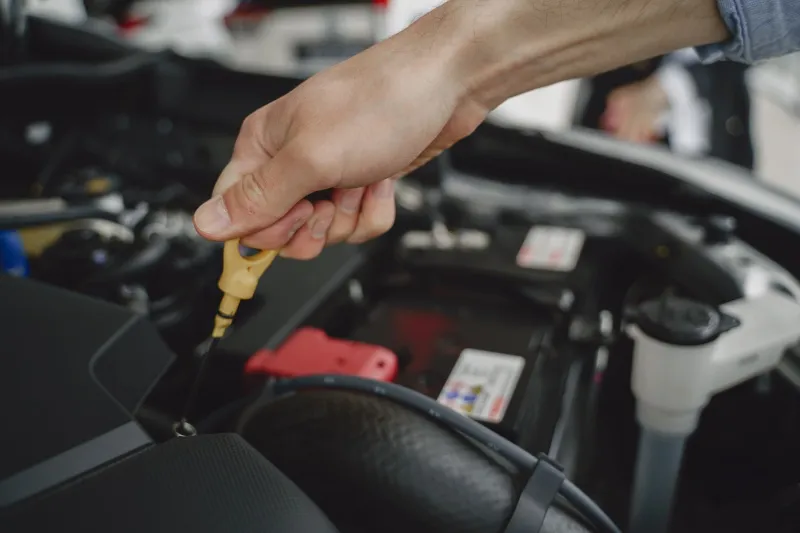
- Engine oil and filter. You don't know what's in there or how long it's been. A fresh change gives you a clean baseline.
- Engine air filter and cabin filter. Ten-minute jobs that cost less than a dinner out.
- Brake fluid. Hygroscopic fluid absorbs water over time, and old fluid is a quiet brake-system killer.
- Coolant. Check color and condition. If it's murky or rust-colored, flush it before Tennessee's next heat wave tests it.
If the tires are more than a few years old — check the DOT date code on the sidewall — price replacements into your budget now, not mid-downpour on I-40.
Establish Your Baseline
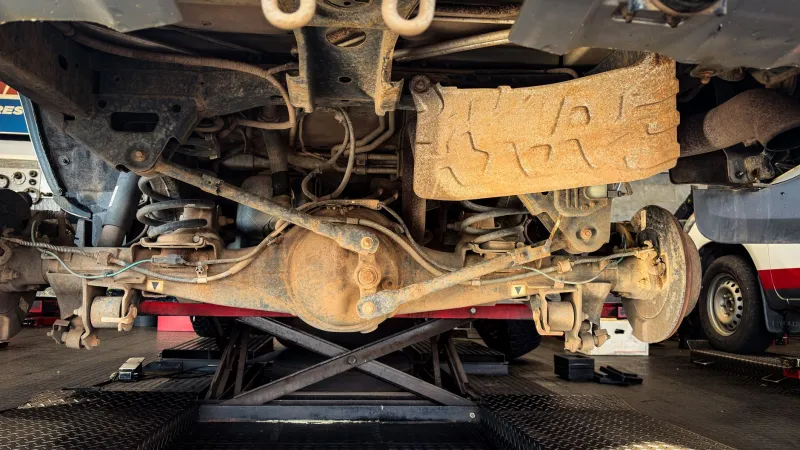
Here's the step almost nobody takes: get a thorough inspection in the first month, even if you paid for a pre-purchase inspection. A baseline checkup catches what a buyer's inspection might have skimmed — worn suspension bushings, a tired battery, a slow weep at the water pump. Fixing small stuff now prevents the cascade later, and it gives you a documented starting point.
Start Your Service Record on Day One
Every oil change receipt, brake job, and tire rotation goes in a folder — physical or digital. This matters twice. First, a documented maintenance history adds real resale value; a buyer pays more for a car with receipts. Second, it keeps warranty-adjacent repairs and mechanic conversations honest. "When was this last done?" should never be a guessing game.
Learn the Car's Quirks Before They Become Problems
New-to-you cars talk to you in subtle ways. Note how it starts cold, how the brakes feel from a dead stop, whether there's a vibration at highway speed. Anything odd that shows up in month one gets flagged early, when it's still a small fix. Write it down — memory is a terrible diagnostic tool.
The Payoff
Thirty days of deliberate attention buys you years of cheaper ownership. Knock out the title, refresh the fluids, build the paper trail, and your "new" used car starts its second life on solid ground instead of borrowed time.